When Bird Nests Become a Ventilation and Fire Safety Issue
When bird nests become a ventilation and fire safety issue, local contractors can safely remove nests and prevent hazards to protect your home.
Bird nests in ventilation systems or chimney areas are more than just a minor inconvenience; they can pose serious fire safety and ventilation concerns for property owners. When bird nests become a ventilation and fire safety issue, they can block airflow, leading to reduced efficiency and potential buildup of dangerous materials like nesting debris or flammable materials. Property owners in the area who notice signs of nesting activity should consider consulting local contractors experienced in bird nest removal and ventilation system maintenance to prevent potential hazards before they escalate.
Understanding the risks associated with bird nests in these critical areas highlights the importance of timely removal and proper maintenance. Local service providers can safely and effectively handle bird nest removal, helping to ensure that ventilation systems remain clear and fire risks are minimized. Keeping these areas free of nests not only supports safe ventilation but also helps protect the property from possible fire hazards, making professional assistance a practical step for those facing this common issue.
- Bird nest removal services are needed when bird nests block ventilation systems, causing poor airflow and potential indoor air quality issues, with local contractors carefully removing nests to restore proper ventilation. Bird nest removal services become essential when nests pose a fire hazard by accumulating dry materials near electrical fixtures, prompting local pros to safely clear nests and reduce fire risks. Bird nest removal services are called upon when nests are located near vents or chimneys, which can lead to blockages and ventilation failures, with local service providers carefully removing nests to prevent damage. Bird nest removal services are sought when nests are built in areas that could cause water intrusion or structural damage, with local contractors removing nests to protect the property’s safety and integrity. Bird nest removal services are necessary when bird activity around vents increases the risk of debris buildup, and local pros address the issue by safely removing nests to maintain proper ventilation and fire safety standards.
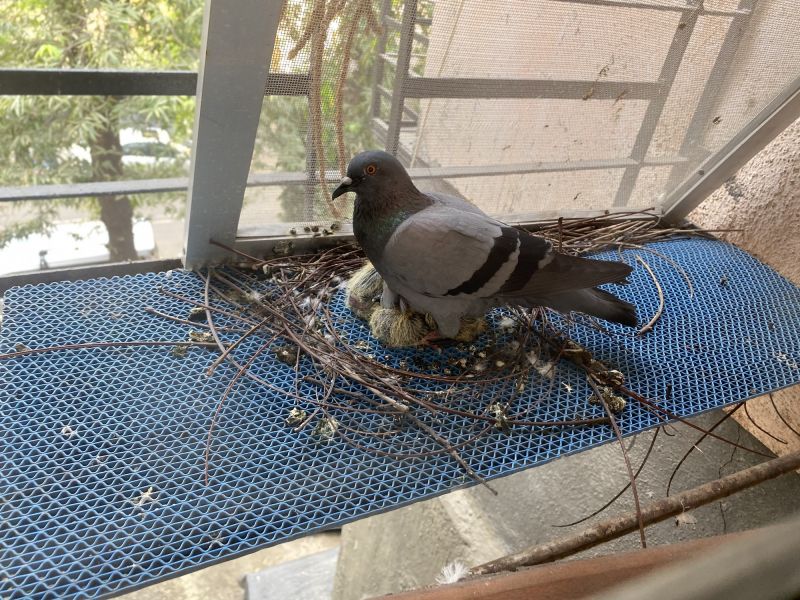
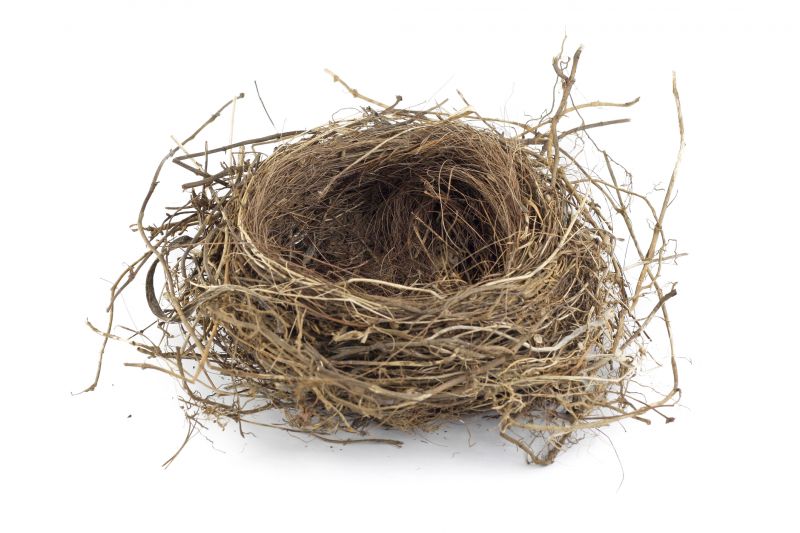
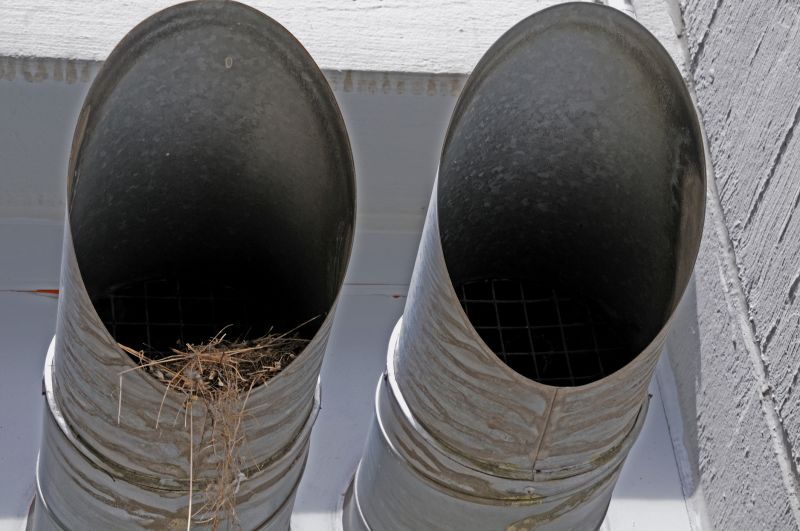
When people search for information about when bird nests become a ventilation and fire safety issue, they are often concerned about how bird activity can impact their home's safety and functionality. Bird nests can accumulate in vents, chimneys, and exhaust systems, leading to blockages that hinder proper airflow. These blockages can cause ventilation systems to work less efficiently, potentially leading to poor indoor air quality or even dangerous conditions like carbon monoxide buildup. Homeowners may also worry about the risk of fires, especially if nests are built near heat sources or in areas where electrical components are present, increasing the chance of sparks or fires igniting dry nesting materials.
This topic generally relates to problems involving blocked vents, chimneys, or exhaust outlets, which are common in residential and commercial properties. When bird nests obstruct ventilation pathways, they can lead to reduced airflow, increased energy costs, and compromised indoor comfort. In addition, nests lodged within chimneys or near heating equipment pose a significant fire hazard, as nests can ignite if they come into contact with heat or sparks. Many property owners plan to remove or prevent bird nests to maintain safety standards and ensure that ventilation systems operate smoothly. Local service providers specializing in bird nest removal and vent cleaning can evaluate these risks, safely remove nests, and help implement measures to prevent future nesting in critical areas.
The types of properties most often affected by this issue include single-family homes, multi-family residential buildings, commercial facilities, and agricultural structures. Homes with chimneys, roof vents, or exhaust fans are particularly vulnerable to bird nesting activity. Properties located near wooded areas, parks, or other natural habitats tend to experience higher rates of bird activity, increasing the likelihood of nests forming in or around ventilation openings. Buildings with accessible or unprotected vents are especially prone to nesting, which can quickly become a safety concern if not addressed. For property owners, understanding the typical nesting behaviors of local bird species and how they interact with building features is essential for planning effective prevention and removal strategies.
Local contractors who specialize in bird nest removal and vent maintenance play a vital role in addressing these issues. They can identify when bird nests are obstructing ventilation systems or creating fire hazards and safely remove them in accordance with local regulations. These professionals also offer solutions to prevent future nesting, such as installing bird-proof vent covers or screens that allow airflow while keeping nests out. Engaging with experienced service providers ensures that the problem is handled efficiently and reduces the risk of damage or safety hazards associated with bird nests. For homeowners and property managers, connecting with local pros provides a practical way to protect building safety, maintain proper ventilation, and avoid costly repairs caused by nesting-related blockages or fires.
Bird Control and Nest Removal - professionals skilled in safely removing bird nests can help prevent ventilation blockages and fire hazards caused by nesting materials in vents and chimneys.
Chimney Sweeping and Vent Cleaning - local contractors experienced in vent and chimney cleaning can address buildup that occurs when bird nests obstruct airflow and increase fire risk.
Roof and Gutter Maintenance - service providers who perform roof inspections and gutter cleaning can identify and remove nests that may compromise ventilation systems and safety.
Fire Safety System Inspection - experts who inspect and maintain fire safety equipment can check for obstructions caused by bird nests that could hinder proper operation.
Exclusion and Barrier Installation - specialists can install barriers to prevent birds from nesting in ventilation areas, reducing fire and ventilation safety issues.
Wildlife Damage Repair - contractors experienced in repairing damage caused by nesting birds can restore ventilation components affected by nests and debris.
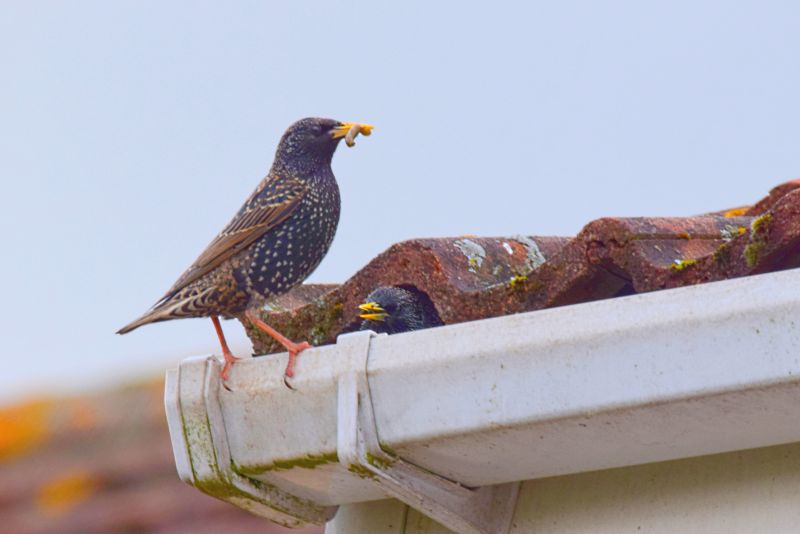
When evaluating local contractors for bird nest removal services related to ventilation and fire safety concerns, experience with similar projects is a key factor to consider. Homeowners should inquire about the contractor’s background in handling bird nest removal, especially in situations where nests have impacted ventilation systems or created fire hazards. Contractors with a history of working on comparable issues are more likely to understand the nuances involved, such as safely removing nests without damaging existing structures or compromising ventilation efficiency. This experience can help ensure the work is performed effectively and reduces the likelihood of recurring problems.
Clear written expectations are essential when selecting a service provider for bird nest removal. Homeowners should seek detailed descriptions of the scope of work, including how nests will be removed, what precautions will be taken to prevent damage, and any follow-up measures to avoid future nesting in the same area. Having well-defined expectations helps prevent misunderstandings and ensures that both parties are aligned on the process. It’s also beneficial to request a written outline of the steps involved, so homeowners can better understand what to expect during the project.
Reputable references and good communication practices are important indicators of a trustworthy service provider. Homeowners should ask for references from previous clients who had similar bird nest removal needs, particularly those involving ventilation or fire safety concerns. Speaking with past customers can provide insights into the contractor’s reliability, professionalism, and quality of work. Additionally, service providers who communicate clearly and promptly-whether through phone, email, or in-person discussions-are more likely to be attentive to homeowner questions and concerns throughout the project. This level of communication can contribute to a smoother experience and help ensure the work meets safety standards and homeowner expectations.
Property owners often search for when bird nests become a ventilation and fire safety issue when they are planning practical projects around their homes and businesses. Local pros provide Bird Nest Removal services for everyday jobs and straightforward project options.
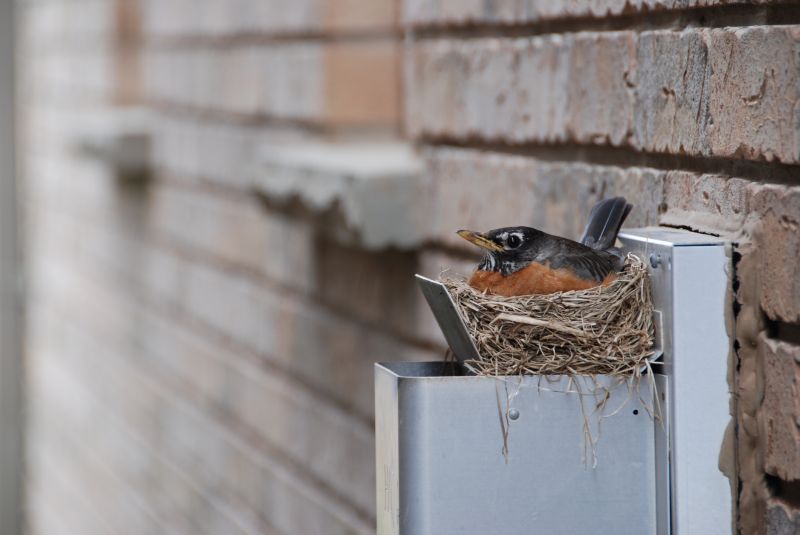
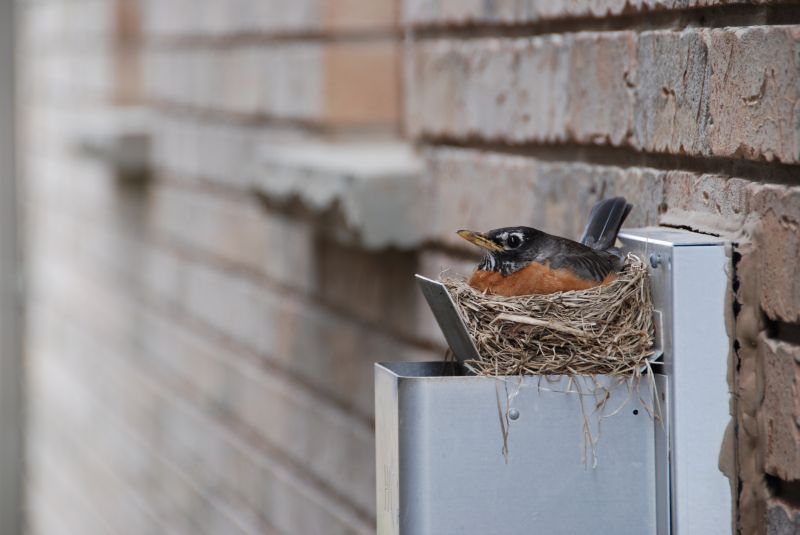
Bird nests built in ventilation systems or on rooftops can quickly become a safety concern for property owners. These nests may obstruct airflow, leading to inefficient ventilation or potential damage to HVAC components. Additionally, accumulated nesting materials can pose a fire hazard, especially if they come into contact with heat sources or electrical equipment. Property owners in the area often seek out local contractors experienced in bird nest removal to address these issues promptly and prevent costly repairs or safety risks.
In many cases, simple removal of bird nests by experienced service providers can restore proper ventilation and reduce fire hazards. Local contractors understand the importance of safe and effective nest removal, ensuring that nests are taken away without harming the birds or causing damage to the property. For those noticing signs of nesting activity near vents or on rooftops, connecting with local pros can be an effective way to manage the situation and maintain the safety and functionality of the property.
Why are bird nests considered a fire hazard in ventilation systems? Bird nests can block ventilation pathways, leading to increased heat buildup and potential fire risks, especially if nests come into contact with electrical components. Local contractors experienced in bird nest removal can safely clear nests to reduce this hazard.
How do bird nests affect indoor air quality and ventilation? When bird nests obstruct vents, airflow is reduced, which can compromise indoor air quality and ventilation efficiency. Professional nest removal ensures proper airflow and helps maintain a healthy indoor environment.
What signs indicate that bird nests may be causing a ventilation or fire safety issue? Common signs include reduced airflow from vents, unusual odors, or visible nests blocking vents or exhaust openings. Contacting local service providers can help assess and address these issues promptly.
Can bird nests in ventilation areas lead to structural damage? Yes, nests can trap moisture and debris, leading to potential damage to vent components or surrounding structures over time. Local pros can remove nests safely and prevent further damage.
When should bird nest removal be performed to prevent fire and ventilation problems? Removal should be considered when nests are visible in or near ventilation openings or if airflow issues are detected. Consulting local contractors ensures nests are removed safely before they cause safety concerns.
Identify nesting sites early - property owners can inspect vents and eaves regularly to spot bird nests before they cause ventilation or fire safety issues, enabling timely removal services from local contractors.
Maintain clear ventilation pathways - keeping vents free of obstructions and bird nests helps ensure proper airflow and reduces fire hazards, with local pros providing safe removal when nests are present.
Install protective barriers - applying bird-proofing measures can prevent nests from forming in ventilation areas, making it easier for local service providers to remove existing nests safely.
Schedule routine inspections - regular checkups by local contractors can help detect bird nests that may compromise ventilation systems or pose fire risks, allowing for proactive removal efforts.
If you are thinking about when bird nests become a ventilation and fire safety issue for a property, this guide is meant to help you understand this topic, the typical project types, and how different options might fit your plans.
When you are ready, you can use the quote form on this page to share a few details about your project. From there, local pros can review the basics and follow up with options that match what you have in mind.